Seville, Spain
By Fatima Martin Sanchez
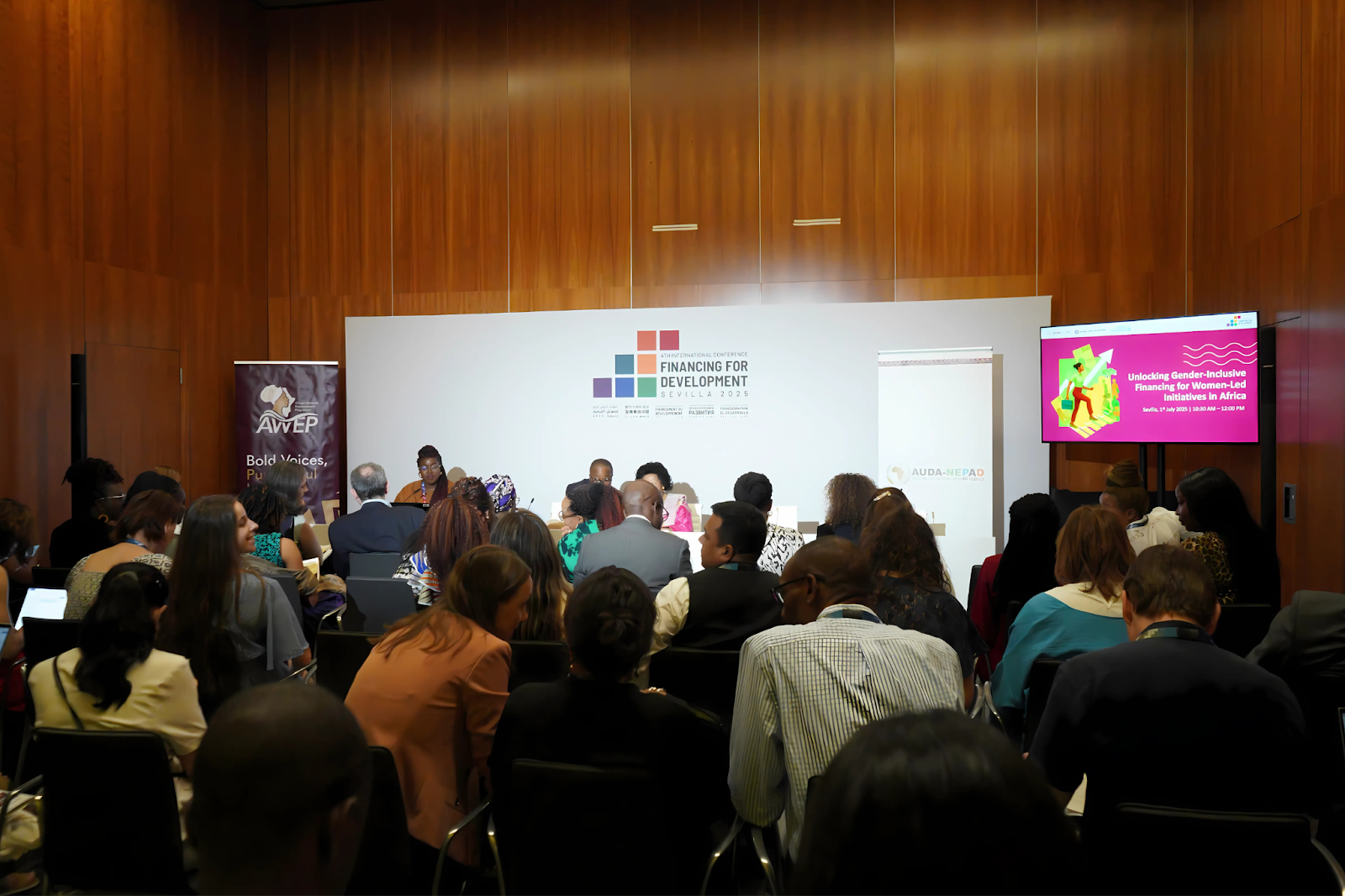
At the Fourth International Conference on Financing for Development in Seville, the Global Fund for Widows, in partnership with UN Women and AUDA-NEPAD, hosted a dynamic side event exploring how to unlock gender-inclusive financing for women-led initiatives across Africa. The conversation brought together high-level leaders, policymakers, and experts who examined the systemic barriers that continue to limit women’s access to capital, financial tools, and economic opportunities. Throughout the dialogue, speakers underscored a shared sense of urgency: inclusive financing is essential if women—especially those in rural and underserved regions—are to fully participate in and shape Africa’s economic future.
The event featured contributions from senior representatives:
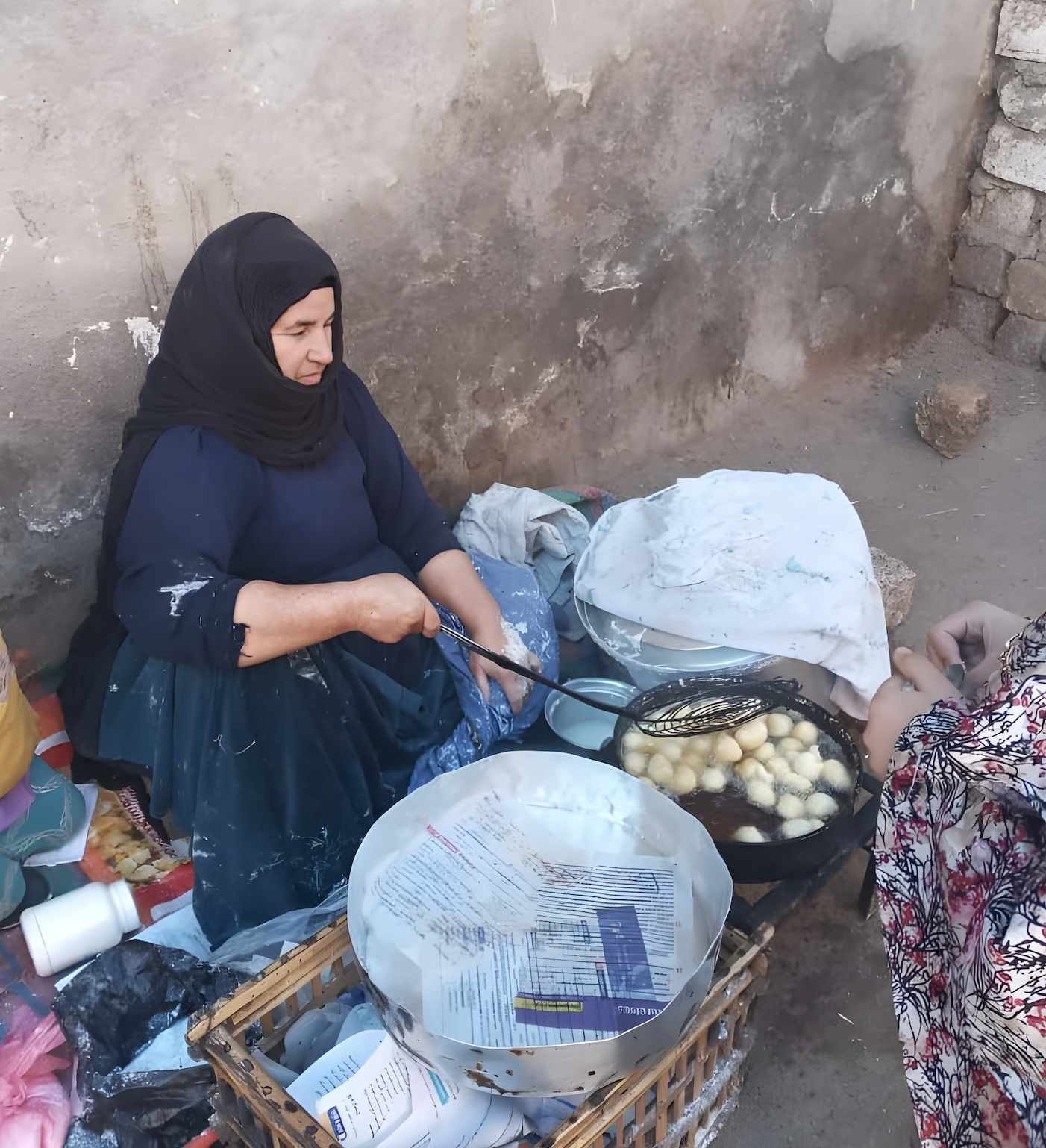
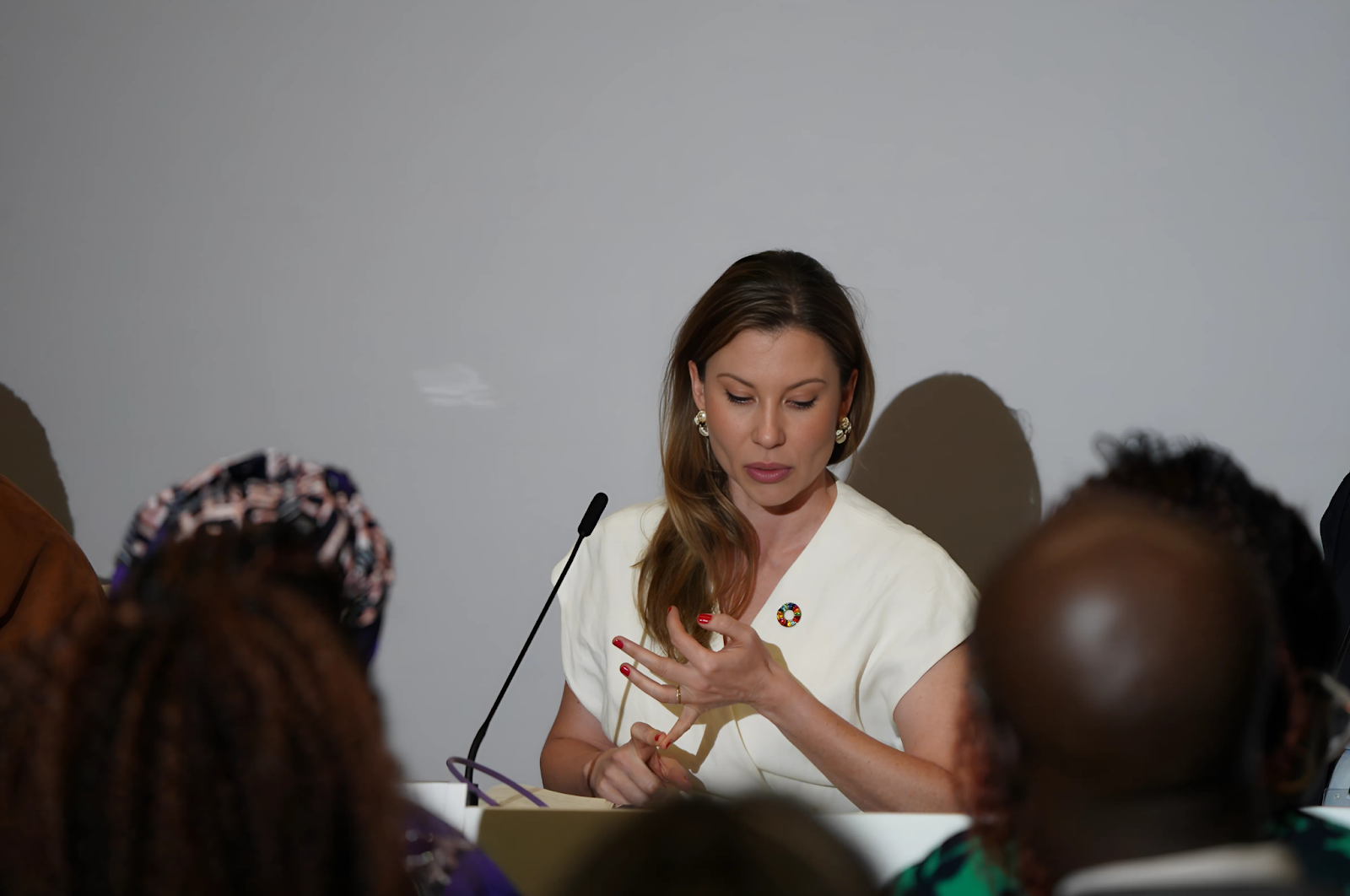
Reflecting the often-overlooked reality on the ground, Ms. Elena Sáenz Feehan, Executive Director of the Global Fund for Widows, contributed a critical field-based perspective, illustrating the challenges faced by widows and female heads of households in rural communities. She presented home-grown strategies—including the Widows’ Savings and Loan Association (WISALA)—designed to ensure sustainable and long-term financial inclusion.
Ms. Sáenz highlighted the transformative impact of the WISALA model, which delivers essential financial support to widows and female heads of households in underserved regions across Africa. She outlined the strategies the organization employs to ensure that capital not only remains sustainable but also grows over time, enabling women to attain long-lasting economic independence.
Building on this, Mr. Stefano Manservisi offered perspectives on how the European Union can support African governments in reframing macroeconomic policies to promote women’s financial inclusion, especially within informal economies. He underscored the value of community-based interventions aimed at reducing financial vulnerability in high-risk contexts.
Furthermore, Dr. Fatima Farouk El Sheikh addressed institutional barriers within the banking sector that impede gender-inclusive financing across the continent. She emphasized the need to mobilize private sector investors and African philanthropists to create de-risked and gender-sensitive financing mechanisms for women-led enterprises.
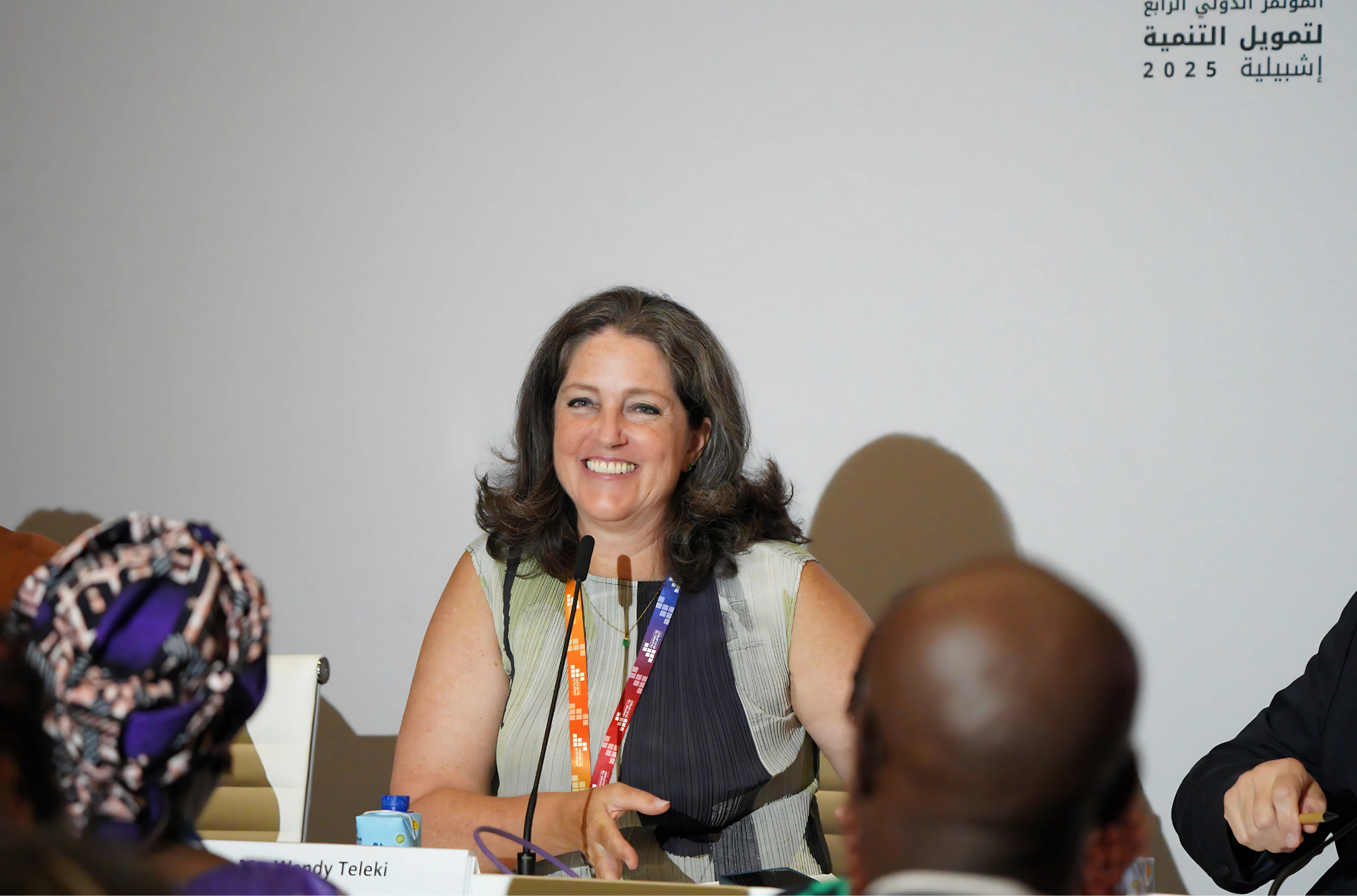
In addition, Ms. Wendy Teleki highlighted innovative approaches for collaboration between development finance institutions and local banks to close persistent credit gaps for women entrepreneurs, particularly in fragile and high-risk environments. She stressed the complementary role of public and private capital in scaling impact.
Expanding this line of thought, Ms. Robyn Oates discussed effective financial instruments for supporting women-led initiatives and emphasized the role of philanthropy in complementing development efforts. She also underscored the importance of gender-disaggregated data in informing policy reforms and scaling successful gender-inclusive financing practices across Africa.
Across the dialogue, participants agreed that investing in women is both a moral obligation and an economic necessity. Panelists stressed that gender equality cannot be achieved through ministries of gender alone; rather, it requires coordinated action across ministries of finance, economy, and development to build an ecosystem in which women can thrive economically, socially, and politically.
The event also highlighted the African Union’s Women’s Empowerment Programme (AWEP 2025–2028), which aims to expand women’s access to finance, promote entrepreneurship, and increase participation in economic decision-making—particularly for women in rural and underserved communities.
The side event concluded with a collective commitment to strengthening partnerships, scaling innovative financing solutions, and reimagining Africa’s development finance landscape to ensure that no woman or girl is left behind.