Lets remove this Development that includes widows
Creating decent and sustainable livelihoods
GFW is creating sustainable livelihoods by providing widows with the tools and resources they need to create sustainable incomes and build long-term financial stability while our legal literacy training and direct dialogue with decision makers challenge the systems that create and sustain their poverty. This approach addresses the economic exclusion that widows face and gives them the opportunity to move above subsistence living.
The impact is clear: in Tanzania, 93% of widows who initially lived below the poverty line had surpassed it within a year, with 40% earning double the threshold. These income gains allow widows to invest in their families’ school, housing, and healthcare, which prevents the establishing of intergenerational poverty. Moreover, GFW’s work has sparked wider societal changes, including legal reforms, and increased participation of widows in public life.
Promoting food security and improving nutrition
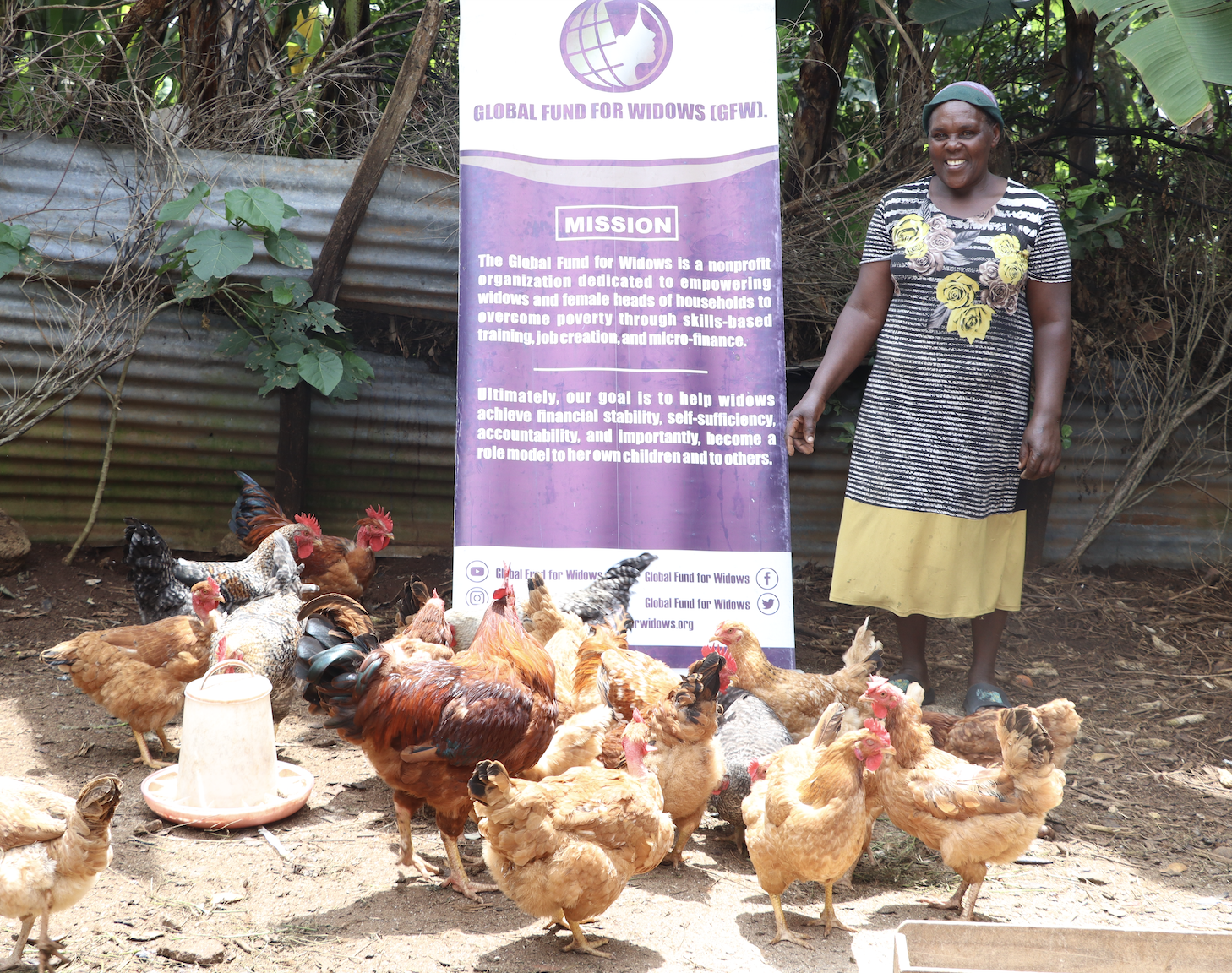
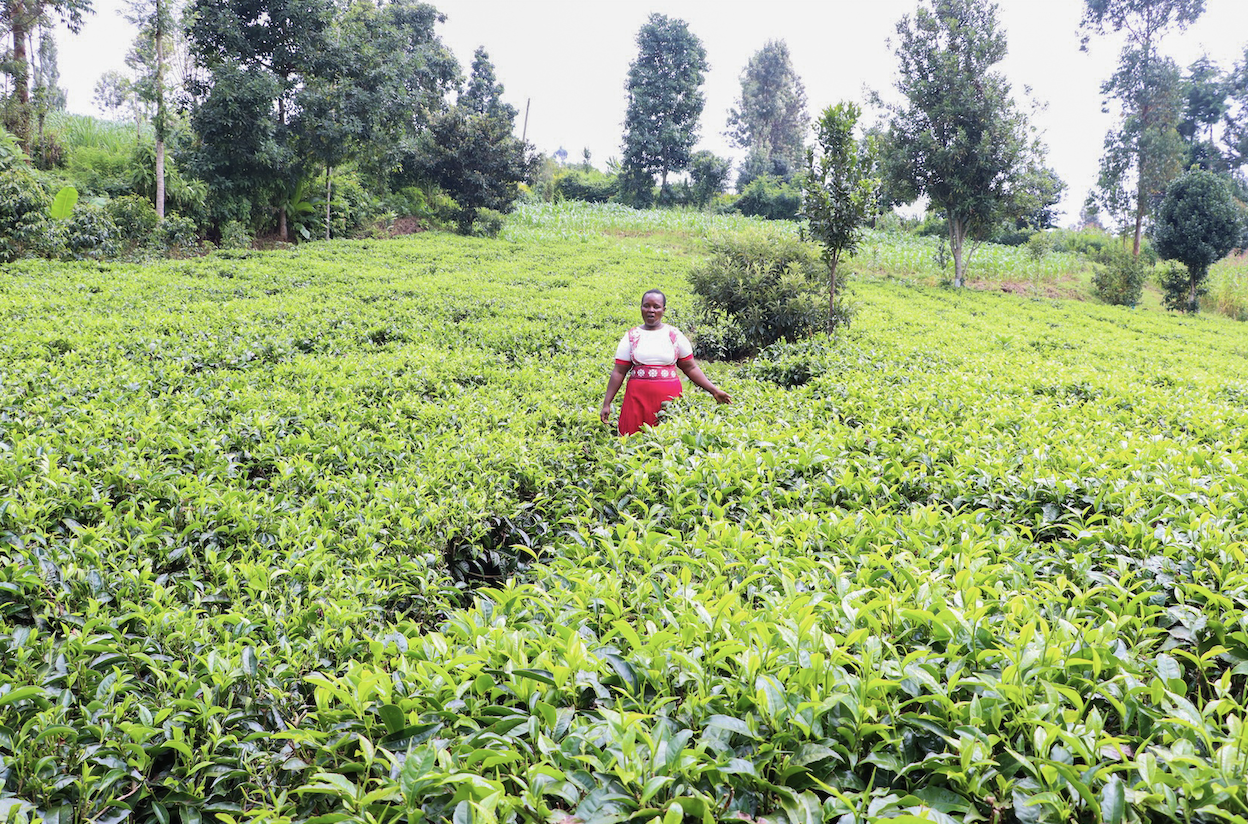
GFW contributes to improving food security and nutrition by supporting widows in launching agricultural enterprises. This rise in productivity helps reduce hunger by ensuring a consistent and reliable food supply, both for the households involved and their communities. Additionally, the economic stability gained through these initiatives allows families to afford better nutrition, improving overall well-being and health.
Championing equal status and opportunity for women
Widows participate in GFW’s WISALAs microbanks as decision-makers - not dependents. These banks are owned and governed by the widows themselves, who lend to and borrow from one another, and are accountable to their co-owners.WISALA does not require collateral or a male co-signatory - affirming each widow’s right to act in her own name. Loans are never extended on behalf of husbands, sons, or other relatives. This structure not only protects their autonomy but ensures that the benefits of each investment remain in their hands.When widows are financially and legally powerful, they are able to free themselves from stigma, shift the norms governing widowhood and end poverty.
Building widows workforce and entrepreneurial skills
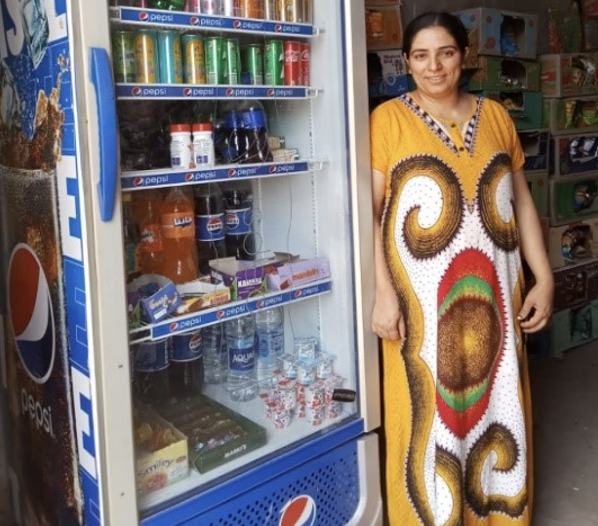
GFW equips women with the skills and capital needed to enter the workforce and build businesses. With training in financial management, business development, and vocational skills, women launch enterprises that contribute to local economies, create jobs, and provide essential goods and services. This approach not only benefits individual women but also strengthens community economies and enhances overall economic resilience.
Ensuring fairer distribution of national prosperity
GFW is helping to close the wealth gap in the countries it operates in. In Kenya, WISALA owners saw an average income increase of 5,173% in just one year. Of these, 96% began below the poverty line; by the end of twelve months, 91% had moved above it, and nearly a third were earning double. The income generated is reinvested locally - through bulk purchases from local wholesalers, buying from local shops, and hiring tradespeople from their own communities. Widows in our projects invest in their communities building infrastructure such as community centers, toilets with running water, and clean water points for their homes and livestock. These investments reduced the time and risks associated with fetching water, improved sanitation, and has enabled children to attend schools and an overall improved standard of living for their communities.
SUPPORT WIDOWS NOW